Petrol vs Electric Bike Cost Comparison – Save Money with PM Scheme 2025
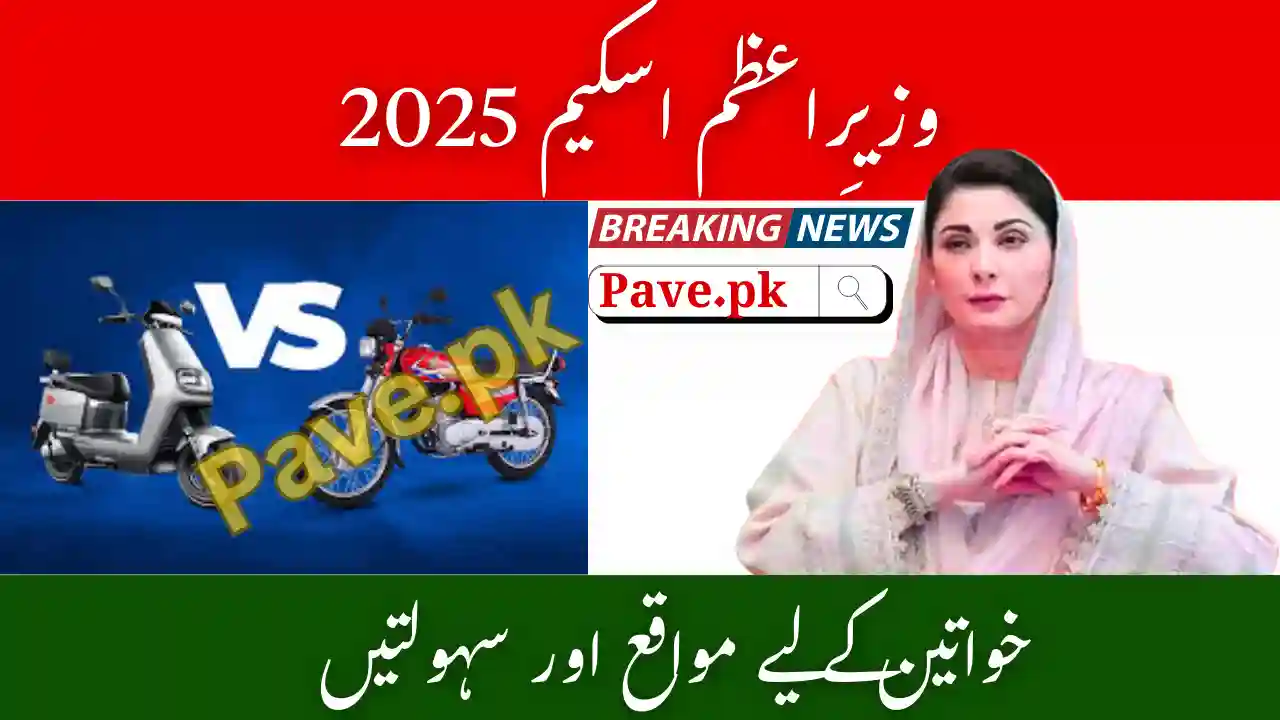
Petrol vs Electric Bike Cost Comparison have made it extremely difficult for students, jobholders, and low-income families to manage daily transport costs. Traditional petrol bikes, once considered affordable, now consume a large portion of monthly income.
To solve this problem, the government has introduced the PM Electric Bike Scheme 2025, which allows citizens to buy electric bikes on easy monthly installments. But the big question is: Are electric bikes really cheaper than petrol bikes?
Let’s break down a detailed cost comparison of petrol vs electric bikes to see how much you can actually save with the PM scheme.
Petrol vs Electric Bike Cost Comparison – Save Money with PM Scheme 2025:
1. Fuel vs Charging Cost
- Petrol Bike: A typical petrol bike consumes about 2–3 liters daily for regular commuting. With petrol at over Rs. 300 per liter, monthly fuel cost is around Rs. 15,000–18,000.
- Electric Bike: An electric bike only requires charging. A full charge costs around Rs. 150–200 and lasts 80–100 km. Monthly charging cost is Rs. 2,000–3,000.
👉 Savings: Up to Rs. 12,000–15,000 per month.
2. Maintenance Cost
- Petrol Bike: Needs frequent oil changes, tuning, spark plugs, filters, and clutch adjustments. Annual maintenance cost = Rs. 20,000–25,000.
- Electric Bike: Requires very little maintenance — no oil changes or complex engine parts. Annual cost = Rs. 5,000–7,000.
👉 Savings: Around Rs. 15,000+ yearly.
3. Upfront Price & Installments
- Petrol Bike: Average cost of a new petrol bike is Rs. 180,000–220,000, usually with full upfront payment.
- Electric Bike (PM Scheme): Price is Rs. 250,000–280,000, but through the scheme, you pay a small down payment (20–30%) and the rest in monthly installments of Rs. 5,000–8,000.
👉 Advantage: Affordable for students and jobholders due to easy installment plans.
Read Also: PM Electric Bike Scheme 2025 Application Status Check
4. Lifetime Cost (3 Years)
Let’s compare a 3-year usage scenario:
| Expense | Petrol Bike | Electric Bike |
|---|---|---|
| Fuel/Charging | Rs. 540,000 | Rs. 90,000 |
| Maintenance | Rs. 60,000 | Rs. 18,000 |
| Upfront/Installments | Rs. 200,000 | Rs. 260,000 |
| Total (3 Years) | Rs. 800,000 | Rs. 368,000 |
👉 Net Savings with E-Bike: Rs. 400,000+ in 3 years.
Read Also: Punjab Green Credit Program vs Other Subsidy Schemes
5. Environmental Impact
- Petrol Bike: Produces harmful emissions, contributing to air pollution and smog.
- Electric Bike: Produces zero smoke emissions, supports Pakistan’s Green Energy Mission, and contributes to a cleaner environment.
6. Comfort & Ease of Use
- Petrol Bike: Requires gear shifting, frequent refueling, and noisy engine.
- Electric Bike: Quiet, smooth, and lightweight ride. Perfect for students and daily city commuting.
Read More: Benefits of PM Electric Bike Scheme 2025
Why the PM Scheme Makes Electric Bikes Affordable:
The PM Electric Bike Scheme 2025 bridges the price gap between petrol and electric bikes by:
- Offering zero-markup installment plans for students.
- Allowing low monthly repayments (Rs. 5,000–8,000).
- Reducing upfront cost with subsidized down payment.
- Ensuring transparent allocation through a digital tracking ID system.
This means you can own an electric bike without worrying about the heavy initial cost.
Petrol vs Electric Bike Cost Comparison in Pakistan 2025
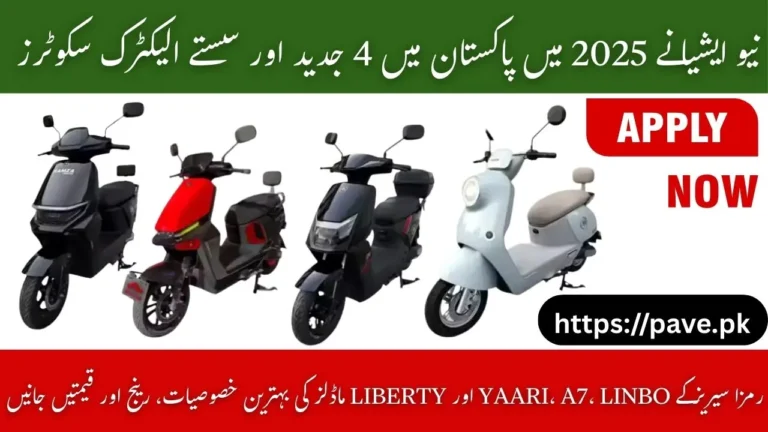
When analyzing petrol vs electric bike cost comparison in Pakistan, electric bikes stand out as the more economical and eco-friendly option for 2025. Although the initial purchase price of an electric bike in Pakistan ranges from PKR 180,000 to PKR 280,000—slightly higher than traditional petrol models—the long-term benefits outweigh the difference.
Electric bikes consume minimal electricity, costing only Rs. 1–2 per kilometer, compared to petrol bikes that require Rs. 6–8 for the same distance. They also demand less maintenance, as there’s no engine oil, clutch, or frequent service expense, making them ideal for daily city commuting.
On the other hand, a petrol scooty price in Pakistan usually ranges between PKR 130,000 to PKR 170,000 depending on the model and brand, such as Honda, United, or Metro. However, the rising fuel prices have made regular petrol scooters increasingly costly to operate.
Electric bikes not only save on fuel but also contribute to environmental protection by reducing emissions. For 2025, as government subsidies under the PAVE Electric Bike Scheme continue, electric mobility is becoming the smarter, cleaner, and more affordable alternative for students, women, and professionals across Pakistan.
FAQs – Petrol vs Electric Bike Cost Comparison:
1. Are electric bikes cheaper than petrol bikes in Pakistan?
Yes, electric bikes are much cheaper in the long run due to low charging and maintenance costs.
2. How much can I save monthly with an electric bike?
You can save around Rs. 12,000–15,000 per month compared to a petrol bike.
3. Are e-bikes more expensive to buy?
Yes, but the PM Electric Bike Scheme 2025 makes them affordable through installments.
4. Do electric bikes require frequent servicing?
No, maintenance is minimal compared to petrol bikes.
5. Can women also apply for the PM scheme?
Yes, the scheme is open to both male and female applicants.
6. Will electric bikes work in long-distance travel?
E-bikes are ideal for short to medium daily commutes (80–100 km per charge).
7. How long does the battery last?
On average, the battery lasts 3–4 years with proper use.
Conclusion – Petrol vs Electric Bike Cost Comparison
The Petrol vs Electric Bike Cost Comparison – Save Money with PM Scheme 2025 clearly shows that electric bikes are the smarter choice for Pakistan’s future. While petrol bikes drain your monthly budget with high fuel and maintenance costs, e-bikes save thousands every month.
With the PM Electric Bike Scheme 2025, citizens now have the chance to switch to eco-friendly and affordable transport through easy installment plans. By choosing an electric bike, you not only save money but also contribute to a cleaner, greener, and more sustainable Pakistan.