Electric Vehicle Prices in Pakistan 2026: Impact of New PAVE Subsidy on E-Bike Affordability
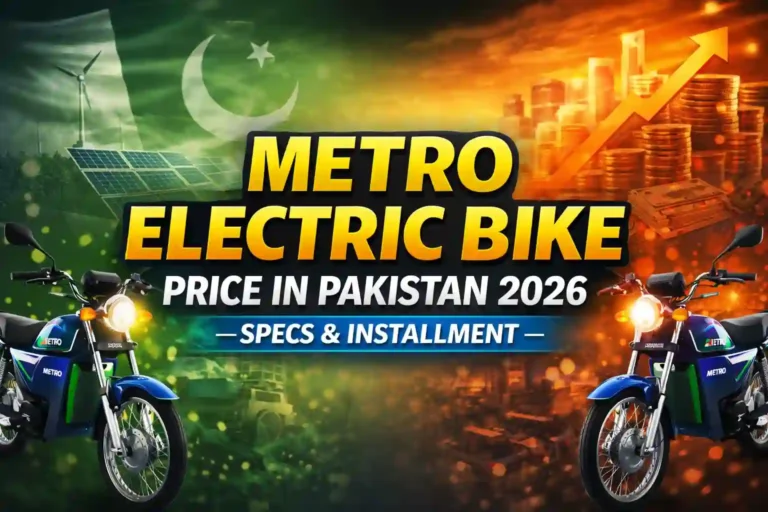
Electric Vehicle Prices in Pakistan 2026 is experiencing a transformative year in 2026, largely driven by the introduction of the PAVE (Pakistan Accelerated Vehicle Electrification) subsidy program. As the government pushes forward with its national EV strategy, subsidies and supportive financing structures are beginning to reshape electric bike (e-bike) pricing — making electric mobility more accessible than ever before. This article explores how electric vehicle prices in Pakistan are changing, how the PAVE subsidy affects affordability, who stands to benefit most, the costs involved beyond just sticker price, and practical advice for buyers navigating the evolving marketplace.
Understanding the PAVE Subsidy and What It Offers
The PAVE program was introduced with a simple objective: to accelerate the adoption of electric vehicles across Pakistan by reducing one of the biggest barriers — upfront cost. As of 2026, eligible electric bike buyers receive a subsidy toward the purchase of a new e-bike. This subsidy directly reduces the purchase price, allowing buyers to owe significantly less at the point of sale.
In addition to cash subsidies, the PAVE initiative supports subsidized financing, including interest-subsidized or zero-markup instalment plans. This means that after the subsidy is applied, the remaining balance can often be paid through monthly payments that are easier to manage for everyday buyers.
The program also includes prioritization features in early rollouts, such as quotas for students, residents of disadvantaged areas, and women riders, aimed at making the transition to electric vehicles more equitable and inclusive.
How the PAVE Subsidy Changes Electric Bike Prices in Pakistan in 2026
To appreciate the impact of the subsidy, it’s useful to look at common price brackets in Pakistan’s 2026 e-bike market and how much buyers actually pay after the subsidy is applied.
Typical E-Bike Price Ranges (Pre-Subsidy)
- Entry-Level Commuter E-Bikes: PKR 140,000 to PKR 220,000
- Mid-Range Electric Bikes: PKR 220,000 to PKR 350,000
- High-End or Performance Models: PKR 350,000+
Post-Subsidy Price Example
With a flat PKR 50,000 subsidy:
- A PKR 160,000 commuter e-bike becomes effectively PKR 110,000 — a 31% reduction in purchase price.
- A PKR 320,000 mid-range e-bike becomes PKR 270,000 — a 16% reduction.
Because the subsidy amount does not scale with price, it has a larger percentage impact on cheaper models. That’s why entry-level e-bikes suddenly become much more affordable compared to petrol motorcycles in the same price range.
When combined with zero-markup financing, monthly instalments for the remaining balance on entry models often fall within a manageable range for commuters, students, and low-income households.
Why the PAVE Subsidy Matters for Affordability
The headline subsidy is simple, but its effect ripples through pricing, financing, and ownership dynamics.
1. Lower Upfront Costs
For first-time e-bike buyers, even a PKR 50,000 reduction can be decisive. For many families, that difference determines whether the vehicle is affordable at all.
2. Easier Monthly Payments
Financing support makes it possible to spread the remaining balance over time, often with dramatically reduced cost of credit compared with traditional motorcycle loans.
3. Fuel Cost Savings
Electric bikes typically cost much less to “fuel” than petrol motorcycles. Over the course of a year, electricity costs for daily commuting are often a small fraction of petrol expenses — which further improves real affordability.
4. Reduced Total Cost of Ownership
With lower running costs, fewer moving parts, and reduced maintenance needs compared with traditional bikes, the lifetime costs of owning an e-bike may be substantially less. This is especially true for delivery riders and small business owners who rely on consistent daily use.
Who Benefits Most from the Subsidy?
Not all buyers benefit equally. The groups most likely to see meaningful value include:
• Commuters and Students
These riders typically choose lower-priced e-bikes, where the fixed subsidy represents a significant percentage of cost reduction.
• Low-Income and First-Time Buyers
Because the subsidy brings down the effective price into the range of used conventional bikes, many first-time buyers now see electric bikes as a viable option.
• Women and Underserved Communities
PAVE’s prioritization quotas have opened doors for riders who previously faced barriers in financing and vehicle ownership.
• Business Users
Owners of small delivery businesses — including food delivery and courier operations — benefit from lower operating costs and more stable pricing compared with petrol alternatives.
Important Caveats and Hidden Costs Every Buyer Should Consider
While the subsidy improves affordability, it is not a complete solution — and buyers should be aware of additional costs and complexities.
• Model Availability and Allocation Limits
During early phases, supplies can be limited and allocation may be determined by application priority systems or balloting rather than first-come, first-served.
• Registration and Documentation Costs
Effective ownership means securing proper registration, plates, and sometimes insurance — costs that can add a few thousand rupees to the total.
• Battery Replacement
Electric bike batteries degrade over time and require replacement — a cost that varies by brand and capacity.
• Service Networks Matter
An affordable purchase can turn costly if service centres and spare parts for a given model are limited in your region.
• Upfront Payment vs. Reimbursement Models
Some distribution channels apply the subsidy at point of sale; in others, buyers pay full price and receive reimbursement later. This distinction affects short-term cash flow and financing choices.
Market Trends Influencing EV Prices in Pakistan
Beyond individual affordability, broader market dynamics are shifting:
• Petrol Bike Demand Softens
As e-bikes become more cost-competitive — especially over long‐term ownership — demand for petrol bikes in lower price segments may gradually decline.
• Emergence of Local Assembly
Predictable demand spurred by subsidy programs has encouraged local assemblers and international brands to scale up, bringing more models, competitive pricing, and better service networks.
• Used E-Bike Market Growth
As new e-bikes flood the streets, a secondary market for used electric bikes is beginning to flourish — opening further affordability paths for buyers on tighter budgets.
Best Practices When Buying an E-Bike in 2026
Here’s how buyers can make the most informed decision:
1. Check Eligibility and Application Timing
PAVE registration and quota application windows are important — missing them can delay subsidy access.
2. Compare Total Cost of Ownership
Consider fuel or charging costs, battery replacement, warranty coverage, and typical maintenance needs, not just purchase price.
3. Understand Financing Terms
Confirm whether the subsidy is applied at sale or reimbursed later, and review instalment schedules carefully.
4. Assess Service and Warranty Coverage
A strong local service network reduces downtime and out-of-pocket repairs down the road.
5. Look for Dealer Support
Some dealers bundle warranty extensions, free inspections, or installation support — perks that add value.
Short-Term Outlook (12 Months)
In the months ahead, the e-bike market is expected to:
- See strong demand in entry and mid-range segments
- Experience temporary inventory constraints on popular models
- Benefit from increased local assembly capacity
- Witness gradual price stabilization and more competitive financing
If government commitments to continued subsidy funding hold, the entry price threshold for e-bikes is likely to remain accessible — and more buyers may shift away from petrol motorcycles in favor of electric alternatives.
Frequently Asked Questions (FAQs)
Q1: How much is the PAVE subsidy on electric bikes in Pakistan in 2026?
The subsidy for electric two-wheelers under the PAVE program in 2026 is generally PKR 50,000 per bike. This amount directly reduces the purchase price at the point of sale or is reimbursed afterward, depending on the channel.
Q2: Does the subsidy apply to all electric bikes?
Yes — but it usually applies to new electric motorcycles and scooters sold through authorised dealers participating in the PAVE program. Always confirm eligibility with the dealership before purchase.
Q3: Will the subsidy make e-bikes cheaper than petrol bikes?
In many entry-level and commuter segments, the subsidy reduces electric bike prices into the same range as basic petrol motorcycles. When combined with lower running costs, electric bikes can be more cost-effective in long-term ownership.
Q4: Are the monthly instalments really low?
Financing through PAVE-affiliated channels often includes subsidized or zero-markup instalments, making monthly payments manageable. However, terms vary by dealer and financing partner — check details before signing.
Q5: What else should I consider before buying an e-bike?
Think about service centres, warranty coverage, battery replacement costs, insurance, and registration. The purchase price is only part of the long-term ownership experience.
Final Thoughts
The introduction of the PAVE subsidy in 2026 marks a pivotal moment for electric vehicle affordability in Pakistan. By significantly lowering electric vehicle prices, particularly in the commuter e-bike segment, the program helps shift buyer choices toward more sustainable and economical transportation.
While buyers should still do their homework — especially on financing, warranty, and service support — the cost advantage created by the PAVE subsidy makes electric bikes a compelling option for commuters, students, business owners, and first-time vehicle buyers. With the right planning and awareness, electric mobility in Pakistan can be both affordable and rewarding.